
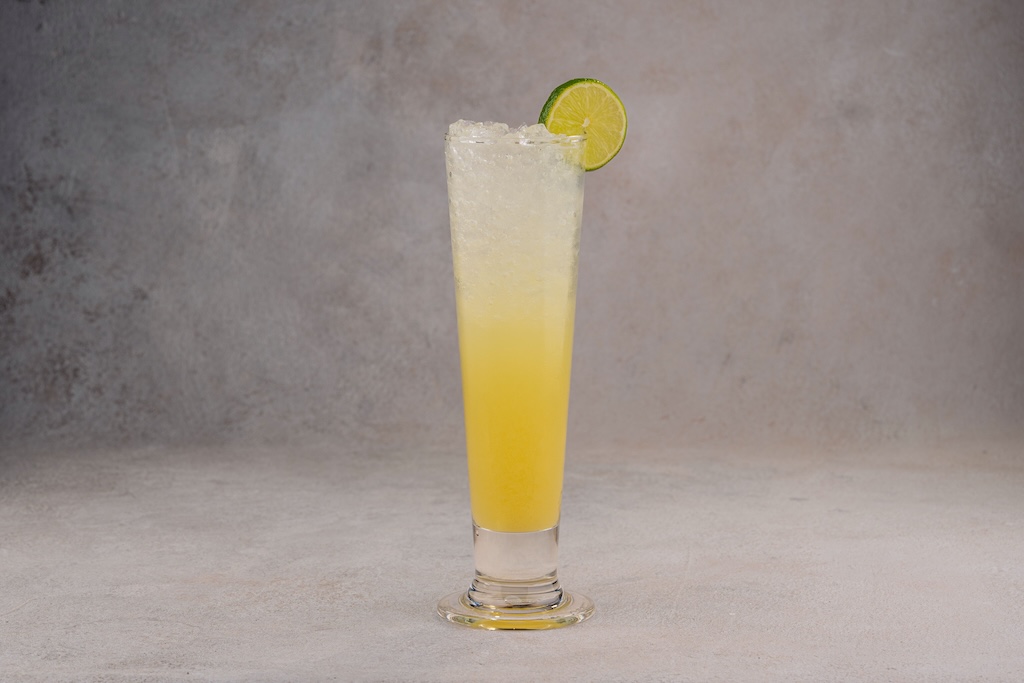

Granita came before gelato. Discover why Sicily is home to one of Italy’s most iconic frozen desserts and a timeless summer tradition.
Summer mornings in Sicily follow a ritual of their own. In the historic cafés of Catania, Syracuse and Taormina, granita is served alongside a soft brioche, bringing together the freshness of citrus fruits, almonds and seasonal produce. It is a tradition that has endured for centuries and continues to capture the authentic flavour of a Sicilian summer.
Granita is one of Sicily’s most iconic desserts and one of the oldest frozen creations in Italian gastronomy. Its history predates gelato by centuries and continues to inspire chefs, hotels and restaurants seeking authentic flavours with a strong sense of place.
Today’s culinary landscape increasingly celebrates seasonality, exceptional ingredients and dishes that tell the story of their destination. Granita embodies this philosophy naturally, earning its place on contemporary summer menus while reminding us that simplicity remains timeless.
In the shadow of Mount Etna, something greater than a dessert was born

Sicily is a destination that captivates the senses before anything else. Mount Etna dominates the skyline, citrus groves perfume the air, while vibrant markets and historic cafés tell stories shaped over centuries. Greek, Arab and Norman influences have all left their mark, creating one of the Mediterranean’s most distinctive culinary identities. Within this remarkable landscape, granita emerged as a dessert that continues to reflect authenticity, seasonality and the unmistakable character of Sicily.
Where snow became tradition
How did granita originate? Its story begins on the slopes of Mount Etna, long before it became one of Sicily’s signature desserts. During winter, the nivaroli collected snow from the volcano and stored it in traditional stone snow houses known as neviere, preserving it for the summer months. Mixed with fresh citrus juices, almonds and aromatic herbs, that mountain snow evolved into what we now know as Sicilian Granita, one of the most authentic symbols of Sicilian gastronomy.
Two frozen traditions, one shared heritage
What is the difference between granita and gelato? Although both are icons of Italian gastronomy, they represent two distinct culinary philosophies. Granita is crafted with water, sugar and natural ingredients, creating its signature crystalline texture. Gelato is made with milk or cream, offering a richer, silkier experience.
In Sicily, granita remains part of everyday life. It accompanies breakfast, offers welcome refreshment during the warmest hours of the day and continues to be woven into local culture. Gelato followed a different path, evolving into one of Italy’s most celebrated culinary exports.

Rather than competing with one another, they tell complementary stories. Granita reflects the landscape and ingredients of its birthplace, while gelato showcases the evolution of Italian pastry craftsmanship and the artistry of the country’s gelatieri. Together, they represent two expressions of the same culinary heritage, inspiring travellers and hospitality professionals alike.
A Sicilian tradition
In Sicily, Granita is traditionally enjoyed with brioche col tuppo, a light, fluffy sweet brioche considered an essential part of breakfast. For many Sicilians, this pairing is more than a meal; it is a summer ritual passed down from one generation to the next.

Where simplicity becomes luxury
Why is granita returning to modern summer menus? The answer lies in authenticity. Hotels, restaurants and boutique properties are increasingly embracing desserts that celebrate seasonality, local producers and the quality of exceptional ingredients.
Granita expresses this philosophy effortlessly. Lemon, almond, pistachio, coffee and seasonal fruit are all it takes to create a dessert that remains deeply connected to the place where it was born. Its appeal lies in balance, purity and respect for the ingredient itself.
The same culinary tradition can be found in the work of Italian chef Niko Romito, founder of the three-Michelin-starred Reale restaurant in Castel di Sangro. His approach centres on the essence of each ingredient and the value of conscious simplicity, a vision that continues to influence contemporary Italian gastronomy and hospitality.

“Purity is the supreme synthesis of flavour, it is essentiality and then beauty.”
— Niko Romito, Chef of the three-Michelin-starred Reale
This approach is becoming increasingly visible across contemporary summer menus. Carefully selected ingredients, understated techniques and flavours rooted in local identity create experiences that stay with guests long after the journey ends.
Summer is served differently
How can a traditional dessert elevate the hospitality experience? Authenticity is the answer. Nowadays, travellers seek flavours that express a destination and create lasting memories beyond the trip itself.
Granita fits naturally into this experience. It belongs at a seaside breakfast, beside a light lunch by the pool or as a refreshing finale to a summer dinner. Its simplicity allows outstanding ingredients to take centre stage while strengthening a genuine sense of place.
This perspective is increasingly embraced by hotels and restaurants that prioritise seasonal products, collaborate with local producers and design menus with a strong regional identity. Gastronomy becomes part of the travel experience, with every dish telling a story about the destination that inspired it.
Granita is only one expression of Italy’s rich dessert tradition. Together with gelato, affogato, semifreddo, cannoli, cassata and zabaglione, it forms a culinary map that reflects the diversity of Italy’s regions while celebrating local heritage, seasonality and the enduring value of exceptional ingredients.

A thoughtfully crafted menu is an integral part of the hospitality experience. Hospitality Ambassadeurs team helps businesses transform their menus into a distinctive expression of identity and differentiation.
Let’s talk about your culinary concept.

