
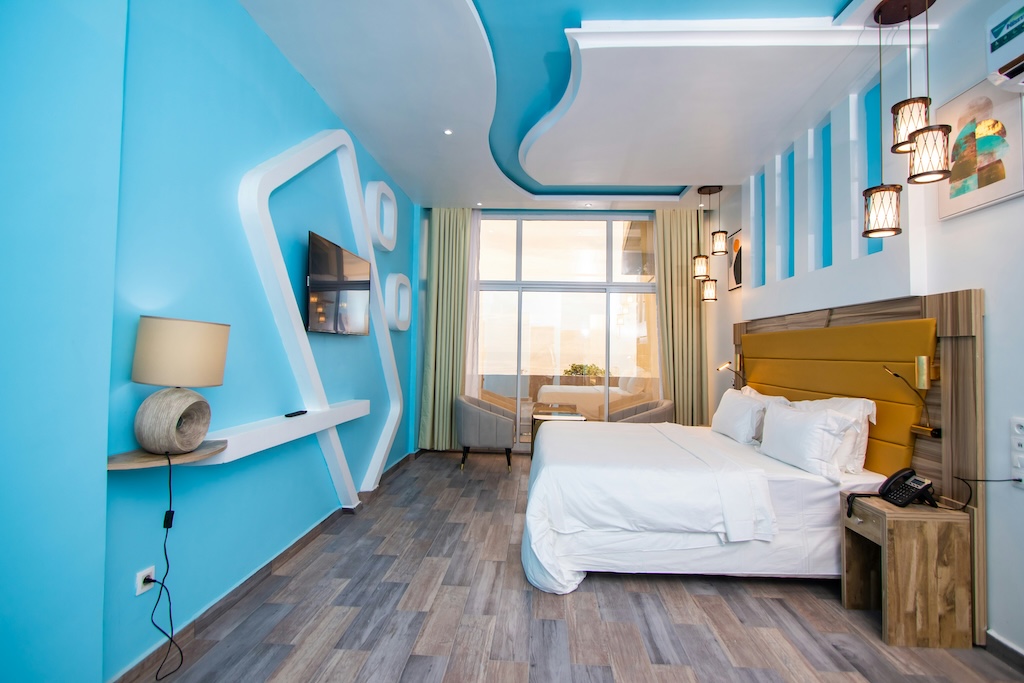

Luxury hotels without TVs, often described as screen-free hotels, become popular among travellers seeking digital detox experiences.
The changing relationship between hotels and television
For decades, having a television in a hotel room was considered standard. It was an essential amenity, offering guests comfort, entertainment, and a familiar sense of home while travelling.
Today, however, a growing number of luxury hotels without TVs are rethinking that tradition. The shift reflects changing travel habits, evolving technology, and a new definition of luxury that prioritises atmosphere, wellbeing, and meaningful experiences over in-room entertainment.
In an age, where most travellers carry smartphones, tablets, and laptops with instant access to streaming services, the hotel television is no longer the primary source of entertainment. Instead, many guests prefer to spend their time exploring the destination, relaxing, or enjoying the property’s facilities.
The growing trend of luxury hotels without TVs reflects a broader shift in hospitality, where experiences increasingly take precedence over technology.

As a result, some screen-free hotels are designing guest rooms around an entirely different philosophy. Rather than centring the space around a television, they focus on natural light, architectural design, breathtaking views, and a stronger connection with the surrounding landscape.
From entertainment to digital detox
The rise of screen-free hotel rooms is also closely linked to one of today’s fastest-growing travel trends: digital detox.
More travellers are actively seeking holidays that allow them to disconnect from constant notifications, social media, emails, and endless screen time. Instead of offering more technology, some luxury properties are redefining hospitality by creating environments that encourage relaxation, mindfulness, and genuine connection with nature.

Within this context, removing the television is not presented as a missing amenity. Instead, it becomes a deliberate design choice that supports the overall guest experience and reflects a more thoughtful approach to luxury.
Hotels that have chosen a different philosophy
Located on the shores of Italy’s Lake Como, Villa Làrio has intentionally designed its guest rooms without televisions, allowing the spectacular lake views and carefully curated interiors to become the true focal points of the stay. The boutique property places particular emphasis on privacy, personalised hospitality, and understated luxury.

A similar philosophy can be found at Wadi Sabarah Lodge on Egypt’s Red Sea coast. Surrounded by desert landscapes and crystal-clear waters, the lodge has been designed to blend seamlessly into its natural environment, offering an experience centred on tranquillity, architecture, and nature rather than digital entertainment.
Another remarkable example is Le Grand Contrôle, the only hotel located within the Palace of Versailles. Inspired by the elegance of the 18th-century French royal court, the property omits televisions to preserve its historical authenticity and create an immersive experience that transports guests back in time.
These examples demonstrate that removing televisions is not simply about eliminating technology. Rather, it reflects a broader design philosophy in which every element of the room contributes to a carefully crafted hospitality experience.
When the view becomes the entertainment
The design of a hotel room is shaped by how guests interact with the space.
A television often dictates furniture placement and the overall layout of the room. By removing it, architects and interior designers gain greater freedom to emphasise natural light, premium materials, architectural details, and panoramic views.
In many contemporary luxury properties, the guest room is no longer viewed primarily as a place to watch television. Instead, it becomes a sanctuary for rest, reflection, and connection with the destination itself.
Windows frame landscapes instead of screens, while privacy, atmosphere, and a sense of place become defining features of the stay.

Increasingly, luxury is measured not by the number of amenities a hotel provides, but by the quality of the moments it creates and the sense of calm it offers its guests.
The Greek approach: nature, architecture and authentic hospitality
In Greece, the conversation around TV-free hotels is part of a broader evolution in luxury hospitality. Many boutique hotels, wellness retreats, and design-led properties are shifting their focus away from traditional in-room amenities and towards creating meaningful experiences connected to the destination.
Cycladic architecture, natural light, privacy, breathtaking sea views, and a strong sense of place have become defining characteristics of many contemporary Greek accommodations. Whether or not a television is present, the emphasis increasingly lies in designing spaces that encourage guests to slow down, unwind, and reconnect with their surroundings.
Properties such as PNOĒS Tinos celebrate minimalist Cycladic architecture and seamless integration with the island’s natural landscape.

Meanwhile, Kea Retreat combines boutique accommodation with yoga, hiking, wellness experiences, and locally inspired gastronomy, offering guests an immersive connection with the island.
Similarly, Gundari Resort on Folegandros showcases contemporary architecture that blends harmoniously with the dramatic landscape, while placing strong emphasis on privacy, sustainability, and uninterrupted sea views.
These examples do not necessarily indicate that Greek luxury hotels are removing televisions altogether. Rather, they reflect a wider movement towards experience-led hospitality, where nature, design, and wellbeing increasingly define the guest experience.
Will TVs disappear from hotel rooms?
Despite the growing popularity of luxury hotels without TVs, televisions remain an important feature across much of the hospitality industry.
Business hotels, family resorts, and extended-stay accommodations continue to rely on in-room entertainment as part of the overall guest experience. For many travellers, particularly business professionals, families with children, and guests staying for longer periods, a television is still considered a valuable amenity.
At the same time, hotel technology continues to evolve.
Rather than removing televisions altogether, many properties are investing in Smart TVs, built-in streaming platforms, wireless screen casting, and seamless integration with guests’ personal devices. The conversation is no longer simply about whether a television belongs in the room, but about how technology can enhance the guest experience without dominating it.
In other words, TV-free hotels are not replacing traditional hotels. Instead, they represent a growing niche within luxury hospitality, particularly among boutique hotels, wellness retreats, and design-led properties where architecture, wellbeing, and a strong sense of place take priority over conventional in-room entertainment.
The future of the hotel room
Hotel rooms are evolving alongside the expectations of modern travellers.
For decades, luxury was often defined by bigger televisions, more amenities, and an increasing amount of technology. Today, however, many hospitality brands are embracing a different vision of premium travel.
Silence has become a luxury. So has uninterrupted sleep, meaningful design, privacy, and the opportunity to experience a destination without constant digital distractions.
Rather than filling rooms with more devices, some screen-free hotels are carefully removing unnecessary elements to create spaces that feel calmer, more intentional, and more connected to their surroundings.
Perhaps the ultimate luxury is no longer having a bigger screen, but having fewer reasons to look at one.
For a growing number of luxury hotels, removing televisions is not about taking something away. It is about making room for something far more valuable: presence, wellbeing, and unforgettable experiences.
Frequently Asked Questions
Why are some luxury hotels removing TVs?
Some luxury hotels intentionally remove televisions to create a calmer, more immersive guest experience. Instead of focusing on in-room entertainment, they prioritise architecture, natural surroundings, wellness, and meaningful connections with the destination.
Are TV-free hotels becoming a trend?
Yes, although they still represent a niche within the hospitality industry. Luxury hotels without TVs are becoming increasingly popular among boutique hotels, wellness retreats, and design-focused properties that promote digital detox and slow travel experiences.
What replaces a TV in a screen-free hotel room?
Rather than replacing televisions with another device, many hotels redesign the room itself. Floor-to-ceiling windows, panoramic views, thoughtfully designed interiors, wellness amenities, and outdoor experiences become the centre of the guest experience.
Do all luxury hotels plan to remove televisions?
No. Most luxury hotels continue to offer televisions, often upgrading them with Smart TV technology and streaming capabilities. The decision to remove TVs depends on the hotel’s concept, target audience, and overall hospitality philosophy.

