
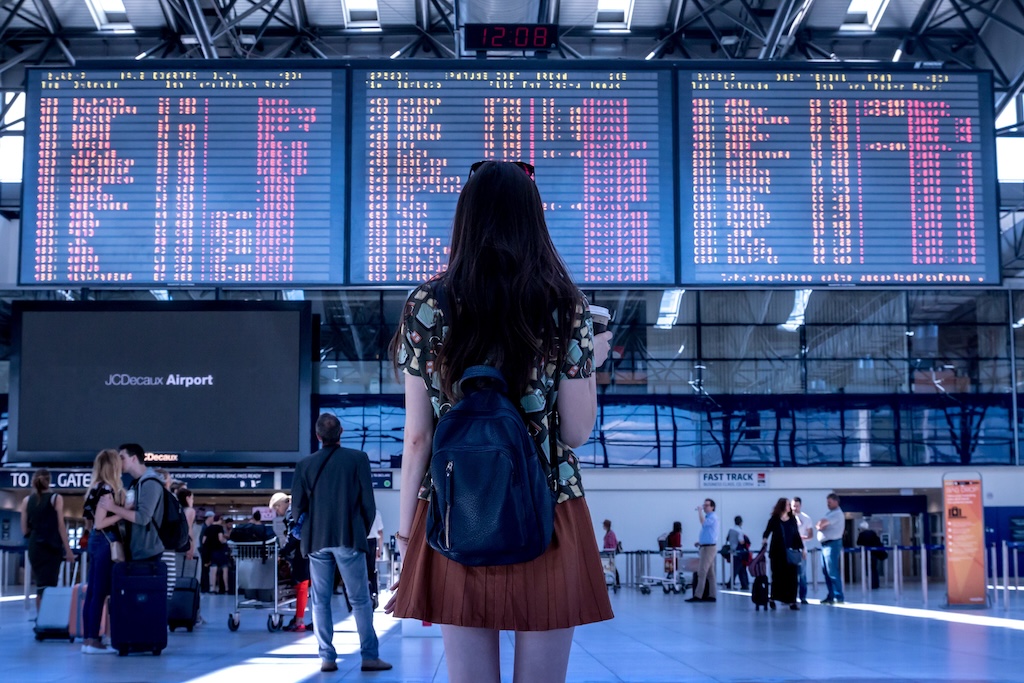

Travel anxiety is more common than you think. Discover the 11 biggest travel worries and practical tips before your next trip.
For me, every journey begins long before departure day.
It starts the moment I begin imagining the places I’ll discover, the landscapes, the scents drifting through unfamiliar streets, the people I’ll meet, and the small moments that often become the most unforgettable memories.
I love exploring new destinations at my own pace. Wandering without constantly checking a map. Following my curiosity down a quiet alley simply because something catches my eye. Pausing for a few minutes beside a waterfall, listening to the sound of rushing water, and feeling as though time has slowed down. These are the moments we rarely plan, yet they often become the memories we treasure the most.
Alongside that excitement, however, there’s one truth I’ve never tried to hide: I’ve never traveled by plane.
I’ve always preferred the stability of the road, the feeling of being grounded and in control of the journey. The thought of flying still fills my mind with questions and uncertainty. Over time, I realized those feelings aren’t unique to me.
According to a Revolut survey of Greek travelers, nearly one in two (47%) worry about their luggage being lost or stolen, while 41% are concerned about extreme weather or natural disasters during their trip. Meanwhile, one in three (33%) fear becoming victims of accommodation scams.
The truth is, travel anxiety is far more common than most people realize.

In many cases, it isn’t the trip itself that worries us, it’s the uncertainty that comes with stepping into the unknown. We want to feel prepared. We want to know we’ve done everything we reasonably can before leaving home.
Good preparation can’t prevent every unexpected situation. What it can do is replace uncertainty with confidence, allowing you to enjoy your journey from the very first moment.
In this guide, I’ve gathered 11 of the most common concerns travelers experience before a trip, along with practical advice to help you prepare with confidence, reduce travel anxiety, and focus on what truly matters: enjoying the adventure ahead.
What is travel anxiety?
Travel anxiety is a completely natural response. It can happen before a weekend getaway, a business trip, or even the vacation you’ve been looking forward to all year.
As departure day gets closer, your mind starts running through every possible scenario.
“What if I miss my flight?”
“What if I forget my passport?”
“What if my luggage gets lost?”
“What if things don’t go according to plan?”
If you’ve ever felt anxious before a trip, you’re far from alone. These thoughts are familiar to most travelers. They don’t mean something bad is about to happen, they’re simply your brain’s way of preparing you for something new and unfamiliar.
The good news is that preparation doesn’t take the spontaneity out of traveling. Instead, it gives you the freedom to enjoy the moments you could never plan: watching the sunset from an unexpected viewpoint, wandering through quiet streets without an itinerary, discovering a cozy café tucked away in a hidden alley, or standing beside a waterfall with nothing to do except listen to the sound of the water.
Those experiences become even more meaningful, when you’re not worrying about whether you forgot something important back home.
Hospitality Ambassadeurs tip
Start preparing for your trip a few days before you leave. Simple steps, such as checking your travel documents, confirming your reservations, and packing in advance, can significantly reduce pre-travel anxiety and help you enjoy the excitement leading up to your journey.
1. “What if I miss my flight or train?”
You’ve checked the departure time more than once. You’ve set your alarm. Your suitcase has been packed since the night before. And yet, just before leaving for the airport, train station, or ferry terminal, the same thought creeps in:
“What if I’m late? What if I don’t make it?”
This is one of the most common forms of travel anxiety. The reason is simple: the beginning of your journey often feels like the moment everything depends on. A delay could disrupt your plans, create unexpected expenses, or simply make you feel as though you’ve lost control.

In reality, these thoughts don’t appear because you’re pessimistic. They appear because you’ve invested time, money, and anticipation into an experience that’s important to you and naturally, you want it to start well.
How to handle it
Double-check your departure details
The day before your trip, confirm:
- your departure time;
- your terminal, gate, or platform (if applicable);
- the best route to the airport, station, or port;
- any updates from your airline or transportation provider.
Allow extra time
Traffic, public transport delays, or unexpected situations can happen when you least expect them. Giving yourself a comfortable time buffer means your journey begins with peace of mind instead of a stressful race against the clock.
Prepare everything the night before
Keep your travel documents, tickets, phone charger, and other essentials ready before you go to bed. Morning rush is one of the biggest contributors to pre-travel anxiety, and a little preparation makes a remarkable difference.
Remember that the journey begins the moment you leave home
Many people think of departure as something they simply need to get through before the “real” trip begins. But that’s not true. Your journey starts the moment you close your front door and leave your everyday routine behind. The calmer those first few hours feel, the more enjoyable the rest of your trip is likely to be.
Hospitality Ambassadeurs tip
Create a simple departure ritual. The day before you travel, check your documents, reservations, and luggage one last time. On departure day, leave a little earlier than you think you need to. Feeling prepared is one of the most effective ways to reduce travel anxiety before your adventure begins.
2. “What if I forget an important document?”
A few hours before departure, almost every traveler has the same thought:
“Do I have everything I need?”
Your passport, ID, boarding pass, hotel reservations, travel insurance, or any other required documents form the foundation of your trip. Because they’re so important, the possibility of forgetting even one of them can quickly become a source of travel anxiety.
In reality, the stress isn’t usually about the document itself. It’s about the fear that one small mistake could disrupt an experience you’ve been looking forward to for weeks or even months. The solution isn’t checking your bag over and over again at the last minute. It’s creating a simple system that helps you stay organized before you leave.
How to handle it
Create a travel document checklist
Don’t rely on memory alone. A simple checklist can save you a great deal of pre-travel anxiety.
Before every trip, make sure you have:
- Your passport or valid ID
- Boarding passes or travel tickets
- Reservation confirmations
- Travel insurance documents (if applicable)
- Driver’s license (if you plan to rent a car)
- Important contact information
Keep digital copies
One of the smartest travel habits is storing secure digital copies of your important documents. They won’t replace the originals, but they can be incredibly helpful if something is lost or stolen during your trip.
Don’t leave everything until the last minute
Packing in a rush just before leaving home often leads to forgotten essentials. The more calmly you prepare, the more you’ll enjoy the anticipation of your upcoming adventure.
Hospitality Ambassadeurs Tip
Create a dedicated travel folder, either digital or physical, for every trip. Keeping your essential documents in one place turns preparation into a habit and makes traveling far less stressful.
3. “What if my luggage gets lost?”
Among all the worries travelers experience before a trip, this is one of the most common:
“What if I arrive… but my suitcase doesn’t?”
Your luggage is much more than a bag. It carries the clothes you’ve carefully packed, the personal items you rely on, and everything you’ve prepared to make your trip comfortable. In many ways, it represents your sense of readiness before the adventure even begins.
It’s no surprise that, according to the Revolut survey mentioned earlier, losing luggage or having it stolen is one of the biggest concerns among Greek travelers. The reassuring news is that a few simple precautions can greatly reduce both the chances of a problem and the inconvenience if one does occur.
How to handle it
Keep your valuables with you
Always carry essential items in your hand luggage, including:
- Travel documents
- Prescription medications
- Cash and payment cards
- Electronics
- Any valuables you can’t easily replace
Take a photo of your suitcase
Before leaving, snap a quick photo of your luggage. If it goes missing, the photo can make it much easier to identify. It’s also useful to know key details such as its color, size, brand, and any distinctive features.
Add a luggage tag
Attach a luggage tag with your name and contact details. If your suitcase is misplaced, this simple step can significantly improve the chances of getting it back quickly.
Pack for your first day
Especially on shorter trips, keep a change of clothes, basic toiletries, and other first-day essentials in your carry-on. If your checked luggage is delayed, you’ll still have everything you need to start your trip comfortably.
Hospitality Ambassadeurs Tip
Good preparation isn’t about expecting something to go wrong. It’s about giving yourself peace of mind, knowing that even if an unexpected situation arises, you’ll be ready to handle it with confidence.

4. “What if my flight is delayed or canceled?”
You’ve arrived at the airport. You’ve checked in, cleared security, and you’re already picturing yourself at your destination.
Then a notification appears:
“Your flight has been delayed.”
Or even worse:
“Your flight has been canceled.”
For many travelers, this is one of the most stressful moments of any trip. Not only because plans suddenly change, but because you’re faced with a situation that’s completely beyond your control.
The truth is, flight delays and cancellations are part of modern travel. They can happen because of weather conditions, technical issues, operational disruptions, or circumstances that no one can predict.
A change in your itinerary doesn’t have to ruin your trip, it simply means your journey is taking an unexpected turn.
How to handle it
Check your flight status before leaving
Before heading to the airport, take a few minutes to review:
- Your flight status
- Notifications from your airline
- Updates on the airline’s app or the airport’s website
Being informed early gives you more options if your schedule changes.
Keep your essentials within easy reach
If you’re facing a delay, you’ll appreciate having:
- A fully charged phone
- A charger or power bank
- Water
- A light snack
- Anything you’ll want during a longer wait
Know your passenger rights
Depending on where you’re traveling and the regulations that apply, you may be entitled to assistance or compensation in the event of significant delays or cancellations.
Knowing your rights won’t eliminate the inconvenience, but it can make the situation far less overwhelming.
Stay flexible
One of the greatest travel skills isn’t perfect planning, it’s adaptability. Sometimes the stories we remember most begin with a plan that didn’t go exactly, as expected.
Hospitality Ambassadeurs tip
Save your flight confirmation, airline contact details, and booking information on your phone before you travel. When plans suddenly change, having everything at your fingertips helps reduce travel anxiety and makes it easier to respond calmly.
5. “What if I get sick while traveling?”
There’s one concern many travelers quietly carry with them:
“What if I don’t feel well while I’m far from home?”
When you’re in an unfamiliar place, even a minor illness can feel more intimidating than it would at home. You may not know where to find medical care, how the local healthcare system works, or how to explain your symptoms if there’s a language barrier.
These worries are especially common when visiting a destination for the first time. Often, it’s not the health issue itself that causes anxiety, it’s the uncertainty of facing it somewhere unfamiliar.
Fortunately, peace of mind doesn’t come from imagining every possible scenario. It comes from being prepared.

How to handle it
Pack a basic travel health kit
Depending on your needs, consider bringing:
- Prescription medications
- Basic first-aid supplies
- Over-the-counter medicines you commonly use
- Any personal medical essentials
Learn about healthcare at your destination
Before your trip, find out:
- How the local healthcare system works
- Whether you’ll need any specific documentation
- If travel insurance is recommended or required
A little research beforehand can make a big difference if you ever need assistance.
Keep important medical information accessible
It’s a good idea to have easy access to:
- Emergency contact information
- Important phone numbers
- Details about allergies or existing medical conditions
Don’t let fear overshadow the experience
Preparation isn’t meant to remind us of everything that could go wrong. It’s there to give us the confidence to enjoy everything that can go right.

Hospitality Ambassadeurs tip
Peace of mind begins with preparation. A small travel health kit, the right documents, and a little research about your destination can help you feel more confident wherever your journey takes you.
6. “What if I get scammed?”
Traveling somewhere new means stepping outside your comfort zone. You don’t always know which businesses are trustworthy, which offers are genuine, or which situations deserve a second look.That’s, when another common travel worry appears:
“What if someone tries to scam me?”
For some travelers, that concern revolves around an accommodation that isn’t as advertised. For others, it’s a suspicious deal, an unsafe payment request, or simply the feeling of being more vulnerable in an unfamiliar place. As mentioned earlier, accommodation fraud is one of the leading concerns among Greek travelers, according to the Revolut survey. It highlights something many of us share: we want to feel safe while exploring the world.
How to handle it
Research accommodations carefully
Before confirming a booking:
- Read recent guest reviews
- Verify the property’s details
- Check its exact location
- Review the cancellation policy
- Whenever possible, book through reputable platforms or directly with the property
Be cautious of deals that seem too good to be true
An unusually low price compared to similar accommodations should always prompt a closer look. A few extra minutes of research can save you from an expensive mistake.
Protect your personal and financial information
Only share sensitive information when necessary, and use secure payment methods whenever possible.
Trust your preparation
Being cautious doesn’t mean missing out on the joy of discovering new places. It simply means creating the conditions that allow you to enjoy your trip with greater confidence.
Hospitality Ambassadeurs tip
Before booking any accommodation, spend a little extra time doing your research. Recent reviews, guest photos, and clear communication with the property can help you start your trip with confidence rather than uncertainty.
7. “What if I can’t communicate?”
There’s a moment almost every traveler experiences. You’re standing on the street in an unfamiliar city. You want to ask for directions, order a meal, or simply ask for help.Then, the thought crosses your mind:
“What if they don’t understand me?”
Language is one of the most common concerns when traveling abroad. But it isn’t just about vocabulary. It’s about feeling confident enough to ask questions, express your needs, and navigate a place that’s completely new to you.
For many people, especially first-time international travelers, this fear can feel overwhelming. In some cases, it even discourages them from exploring new destinations. The good news is that meaningful communication doesn’t depend on speaking a language perfectly. A smile, a simple phrase, a friendly gesture, and a little preparation can take you surprisingly far.
How to handle it
Learn a few essential phrases
You don’t need to be fluent.
A handful of basic expressions can make everyday interactions much easier:
- Hello
- Thank you
- Please
- Excuse me
- Can you help me?
- Where is…?
Locals usually appreciate the effort, even if your pronunciation isn’t perfect.
Let technology help
Translation apps, offline maps, and language tools can make navigating unfamiliar places much less intimidating, especially when you don’t have reliable internet access.
Don’t be afraid to ask for help
Most people understand that visitors may not speak the local language. Kindness, patience, and a willingness to communicate often matter far more than perfect grammar.
Embrace the experience
Some of the most memorable travel moments happen because of small communication challenges. A conversation that starts with hand gestures and laughter can easily become one of the stories you remember long after the trip ends.
Hospitality Ambassadeurs tip
Before you travel, save a few useful phrases on your phone and download offline maps of your destination. A few minutes of preparation can make you feel much more confident once you arrive.
8. “What if my accommodation isn’t what I expected?”
You’ve looked through the photos. You’ve read dozens of reviews. You’ve already imagined opening the door to your room for the first time.Then, another familiar thought appears:
“What if it isn’t what I expected?”
Choosing where you’ll stay is one of the most important parts of any trip. Your accommodation isn’t simply a place to sleep. It’s where you’ll unwind after a day of exploring, recharge for tomorrow’s adventures, and enjoy a sense of comfort away from home.
That’s why expectations can feel so high. Photos, descriptions, and online reviews often shape a picture in our minds long before we arrive. Fortunately, a little extra research before booking can dramatically reduce the chances of unpleasant surprises.

How to handle it
Read recent guest reviews
Reviews from recent travelers often provide the clearest picture of what to expect.
Pay attention to recurring comments about:
- Cleanliness
- Location
- Service
- Noise levels
- Value for money
When multiple guests mention the same issue, it’s usually worth taking seriously.
Look beyond the photos
Beautiful images are important, but they don’t tell the whole story. Read the property description carefully and make sure the amenities match what you actually need for your trip.
Choose what suits your travel style
The perfect accommodation means something different to everyone. For some travelers, it’s all about the view. For others, it’s the location, peaceful surroundings, or easy access to public transportation. Choose the place that best supports the experience you want to have.
Reach out before you arrive
If you have questions, don’t hesitate to contact the property before your stay. A quick conversation can clarify important details while also giving you a better sense of the service you can expect.
Hospitality Ambassadeurs tip
The best accommodation isn’t necessarily the one with the most amenities, it’s the one that fits the way you want to experience your destination.
9. “What if I go over budget?”
Travel is an investment in experiences, memories, and moments you’ll carry with you long after you return home. Still, many travelers share one practical concern:
“What if I spend more than I planned?”
Between transportation, accommodations, dining, activities, and those irresistible spontaneous purchases, travel expenses can add up faster than expected. When you don’t have a clear picture of your budget, financial uncertainty can quietly take away from the enjoyment of your trip.
Budgeting isn’t about limiting yourself. It’s about giving yourself the confidence to enjoy your journey without constantly worrying about every expense.
How to handle it
Create a realistic travel budget
Before you leave, estimate your spending in key categories:
- Transportation
- Accommodation
- Food and drinks
- Activities
- Shopping
- Emergency expenses
Having a flexible plan is far more helpful than trying to predict every dollar or euro you’ll spend.
Leave room for spontaneous moments
Not every memorable experience can be planned. A coffee in a charming square, a local handmade souvenir, or an unexpected excursion might become one of your favorite memories. That’s why it’s always worth setting aside a little extra in your budget.
Use tools to track your spending
Budgeting apps and digital banking tools make it easier than ever to keep an eye on your expenses while you’re traveling. A quick glance at your spending can provide reassurance without taking away from the experience.
Don’t let your budget control your trip
A budget should guide your decisions, not create unnecessary stress. The goal isn’t to question every purchase. The goal is to know your limits so you can enjoy your trip with confidence.
Hospitality Ambassadeurs tip
Before every trip, create a simple travel budget that works for you. You don’t need to account for every expense, just enough to give yourself peace of mind while leaving room for the experiences that make travel unforgettable.
10. “What if I’m traveling alone?”
There’s one question that crosses the mind of many travelers, even those who love exploring the world:
“Will I really enjoy the trip if I’m on my own?” Traveling solo can feel intimidating at first. There’s no one beside you to help make decisions, share your excitement, or provide an immediate sense of reassurance when everything around you is unfamiliar.
Those feelings are completely normal. But the value of a journey isn’t measured only by who travels with us. It’s also shaped by the relationship we build with the destination and with ourselves.
Many solo travelers discover a different kind of freedom. They move at their own pace, change plans without compromise, linger a little longer in places they love, and often meet people they might never have spoken to otherwise. Sometimes, traveling alone becomes the journey that teaches us the most.

How to handle it
Start small
If it’s your first solo trip, you don’t have to begin with a long-haul adventure on the other side of the world. A weekend getaway or a short trip can help you build confidence while discovering what solo travel feels like.
Choose a destination where you’ll feel comfortable
Your first experience matters. Destinations with reliable public transportation, good tourist infrastructure, and plenty of available information often make solo travel much less intimidating.
Stay connected with the people you love
Technology makes it easier than ever to stay in touch. A quick message, a video call, or sharing your location with someone you trust can provide reassurance, for both you and the people back home.
Give yourself time to settle in
The first few hours in a new destination can feel uncertain. That’s perfectly normal. As you become familiar with your surroundings, confidence naturally replaces uncertainty.
Hospitality Ambassadeurs tip
Don’t wait until you feel 100% ready to take your first solo trip. Confidence rarely comes before the journey, it grows because of it.
11. “What if things don’t go as planned?”
Perhaps this is the most universal travel worry of all. Long before we arrive, we’ve already imagined the experience. We’ve looked at photographs. We’ve read travel stories. We’ve pictured ourselves standing in places we’ve dreamed of visiting. Then another question quietly appears:
“What if it isn’t what I imagined?”
The truth is, no trip unfolds exactly as planned. It might rain on the day you planned to visit a famous landmark. A restaurant you’ve been excited about might turn out to be disappointing. You might get lost while looking for something else entirely. And yet, those unexpected moments often become the stories we remember most. Because travel isn’t a checklist to complete. It’s an experience that unfolds one moment at a time.

How to handle it
Leave room for the unexpected
Planning is important, but not every hour of your trip needs to be scheduled. Allow yourself time to wander, explore, and follow your curiosity. Some of the best travel experiences happen when there’s no plan at all.
Let go of the idea of a “perfect” trip
Trying to make everything perfect often creates more pressure than joy. The most meaningful journeys aren’t flawless. Be present instead of chasing perfection.
See changes as part of the story
A delayed train. An unexpected detour. A change of plans. Sometimes the moments that seem inconvenient at first become the memories you treasure most.
Remember why you travel
We don’t travel simply to visit places. We travel to feel something. To discover. To learn. To grow. And to collect stories we’ll carry with us for the rest of our lives.
Hospitality Ambassadeurs tip
The best preparation you can make is leaving a little space for surprise. The most unforgettable journeys aren’t always the ones that go exactly according to plan, they’re the ones that leave us open to discovering something we never expected.
Before we move on to the Travel Preparation Checklist, let’s remember one thing: Feeling travel anxiety doesn’t mean you’re not ready to explore the world. It simply means you’re stepping into something new.
Every experienced traveler has felt uncertainty before setting off. The difference isn’t that they travel without fear, it’s that they’ve learned how to prepare, adapt, and embrace the unexpected along the way. The goal isn’t to eliminate every worry. It’s to prepare for the things you can control, let go of the things you can’t, and leave room for the moments that make every journey unforgettable.
Travel preparation checklist: Your essential pre-trip guide
The best time to prepare for a trip isn’t a few hours before you leave home. It’s a few days earlier, when you have the time to think calmly about what you’ll actually need. A good travel checklist isn’t about double-checking everything out of fear. It’s about giving yourself the confidence to lock the front door, head out, and begin your journey with peace of mind.
Use this checklist before every trip to stay organized and reduce travel anxiety.
1. Travel documents & essential information
☐ Passport or valid ID
☐ Boarding passes or travel tickets
☐ Accommodation confirmations
☐ Accommodation address and contact details
☐ Travel insurance documents (if applicable)
☐ Driver’s license (if needed)
☐ Secure digital copies of important documents
☐ Emergency contacts and useful phone numbers
Hospitality Ambassadeurs tip
Keep all your essential travel documents together in a dedicated folder on your phone. The easier they are to access, the less stressful unexpected situations become.
2. Transportation planning
☐ Confirm your departure time
☐ Plan how you’ll get to the airport, train station, or port
☐ Allow extra time for unexpected delays
☐ Check your flight or transportation status
☐ Download any transportation apps you’ll need
Hospitality Ambassadeurs tip
Your journey begins long before you reach your destination. A calm, unhurried departure sets the tone for the entire trip.
3. Packing & personal essentials
☐ Pack clothing appropriate for the weather
☐ Double-check the length of your trip
☐ Pack essential toiletries
☐ Bring chargers and electronic devices
☐ Keep valuables in your carry-on bag
☐ Take a photo of your checked luggage
Hospitality Ambassadeurs tip
Don’t fill your suitcase with only the things you’re bringing. Leave a little room for what you’ll bring home, local treasures, meaningful souvenirs, and unforgettable memories.
4. Health & Safety
☐ Pack any prescription medications
☐ Prepare a small travel first-aid kit
☐ Learn about healthcare at your destination
☐ Keep important medical information accessible
☐ Check whether your destination requires any special health preparations
Hospitality Ambassadeurs tip
Being prepared doesn’t mean expecting something to go wrong. It simply means giving yourself the confidence to enjoy the journey with greater peace of mind.
5. Budget & Finances
☐ Set a realistic travel budget
☐ Decide which payment methods you’ll use
☐ Carry a small amount of emergency cash
☐ Check the local currency (if traveling abroad)
☐ Choose a simple way to track your expenses
Hospitality Ambassadeurs tip
A travel budget isn’t meant to limit your experiences. It’s there to help you enjoy them without unnecessary financial stress.
6. Technology & Digital preparation
☐ Fully charge your phone
☐ Pack your charger and a power bank
☐ Download offline maps
☐ Install any useful travel apps
☐ Save important information for offline access
Hospitality Ambassadeurs tip
Technology is one of the best travel companions, when used wisely. It won’t replace the experience, but it can certainly make your journey smoother.
7. One last check before you leave
☐ Check your home before locking up
☐ Take your keys, wallet, passport, and phone
☐ Review your essential travel documents one last time
☐ Leave without rushing
☐ Take a deep breath and enjoy the beginning of your adventure

Frequently asked questions about travel anxiety
Is it normal to feel travel anxiety before a trip?
Absolutely. Travel anxiety is extremely common and is usually linked to uncertainty and the desire to feel prepared before leaving home.
How can I reduce travel anxiety before flying?
Preparation makes a significant difference. Check your travel documents in advance, arrive at the airport early, and familiarize yourself with the airport and boarding process before your departure.
What should I organize before traveling?
Make sure your documents, tickets, reservations, luggage, finances, and everyday essentials are ready before you leave. A travel preparation checklist can help you stay organized and avoid last-minute stress.
How can I stop worrying about everything that might go wrong?
Focus on the things you can control and accept that unexpected moments are part of every journey. A trip doesn’t have to be perfect to become unforgettable.
Is it safe to travel alone?
Yes, with the right preparation. Choose a destination that matches your comfort level, stay informed, and keep important contacts and travel information easily accessible.
What’s the most important thing to remember before traveling?
Preparation isn’t about limiting your adventure. It’s about giving yourself the confidence to explore the world with greater peace of mind, flexibility, and freedom.
Every journey begins with a single decision: to step beyond what’s familiar and embrace something new. Feeling a little travel anxiety before you leave doesn’t mean you’re not ready. It means your adventure matters to you. Prepare for the things you can control. Accept the things you can’t. And leave room for the unexpected, because those unplanned moments often become the stories you’ll remember for years to come.
Travel with confidence. Travel with curiosity. And most importantly, enjoy every step of the journey.

