
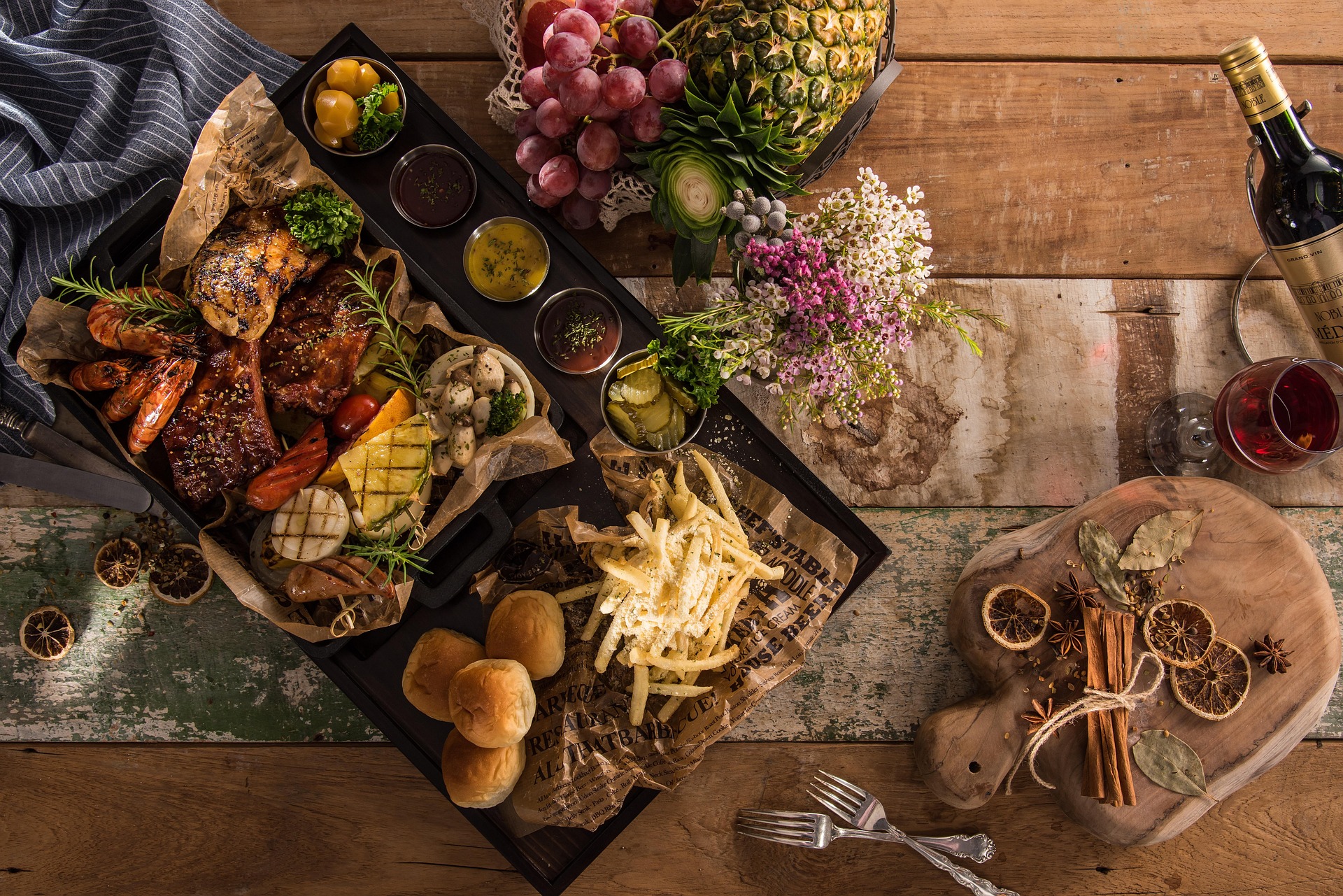

Gastronomic tourism revolutionizes family-style meals experiences. Discover why restaurants see empty tables, while supermarkets thrive.
A culinary paradox
Despite record tourist arrivals in 2025, a paradox is unfolding across Greece’s dining scene: restaurants are experiencing declines, while visitors turn to supermarkets, street food, or cooking their own meals in their accommodations. This trend — and the opportunity it presents for gastronomic tourism in Greece — demands attention from hoteliers, chefs, and travel journalists alike.

The Numbers Tell the Story
This year, Greece’s restaurant sector recorded double-digit declines in several reports, with some markets seeing drops of around 20%, despite travel revenues and arrivals remaining above pre-pandemic levels. Simultaneously, sales in local grocery stores are on the rise, reflecting a growing trend of self-catering among travelers. These conflicting signals — record arrivals but “empty” restaurant tables — point to a clear shift in traveler behavior.
Why Are Travelers Choosing Not to Dine Out?
The reasons are complex and interconnected:
- Cost and Value-for-Money: The 2025 traveler seeks financial control; cooking in their accommodation reduces expenses, especially for families or larger groups.
- Accommodations with Kitchens and Self-Catering Options: The surge in rental properties with kitchens (villas, apartments, many Airbnbs) makes it convenient to prepare meals on-site.
- Seeking Experience Over Simple Consumption: Travelers are not just eating—they want to experience food. Cooking classes, producer visits, and other immersive activities are often preferred over conventional tourist tavernas.
These three drivers explain why, even as gastronomic tourism flourishes (local cuisine and food experiences are increasingly popular), traditional dining is losing market share — unless it adapts.

Implications for Gastronomic Tourism in Greece
In Greece, gastronomic tourism is no longer confined to “fine dining.” It’s about experience: from farm to plate, from market to workshop. Destinations that invest in immersive food experiences — olive oil farms, wineries, traditional cooking workshops — gain appeal, even as conventional restaurants see declines.
Practically, this creates two simultaneous effects:
- A Threat to Mass Dining: If a restaurant experience offers nothing a guest can’t recreate in their accommodation, it loses relevance.
- An Opportunity for Experience-Focused Ventures: Private dinners, market tours, cooking classes, pop-ups with local producers, and co-branded accommodation packages become highly attractive.
The New Traveler Behavior
The 2025 traveler doesn’t just want to eat—they want to live the experience. This entails:
- Seeking local products and authentic recipes
- Participating in experiences such as cooking classes or visits to olive oil and wine producers
- Maintaining flexibility and cost control: meals must feel worth every euro
This behavioral shift leaves a gap for traditional restaurants but simultaneously opens doors for creative concepts.

Supermarkets and Ready Meals: The New Culinary Frontier
Over the past two years, major Greek supermarket chains (Sklavenitis, AB Vassilopoulos, Masoutis, My Market, etc.) have dramatically expanded their ready-meal offerings. These are no longer just daily “home-cooked specials” but full-fledged Mediterranean-inspired meals, sold in take-away refrigerators or heated displays.

This pivot in retail gastronomy has proven highly successful:
- Budget-conscious travelers, including locals and visitors, often prefer a €5–€8 ready meal to a €20–€25 restaurant dinner.
- Airbnb or rental guests with kitchens find convenience and time savings.
- Chains invest in “chef-branded” meals — collaborations with well-known Greek chefs signing off on ready recipes (e.g., “Chef X’s Stuffed Vegetables” or “Grandma’s Stews by Chef Y”).
Rising ingredient costs have also pressured traditional restaurants: olive oil, meat, cheese, and energy expenses have forced price increases, creating a gap between “culinary experience” and “affordable reality.” Additionally, traveler expectations are shifting: informed and selective, they are less willing to pay inflated prices or fall for tourist traps. The era of unchecked overpricing, particularly on high-demand islands, has left a mark.

Reimagining the Dining Experience
To turn this threat into an advantage, businesses can adopt practices that give travelers a reason to leave their accommodation:
- Experience Packages: Hotel + local producer or chef collaborations for half-day tours, harvests, or wine tastings — prioritizing authenticity.
- Micro-Events on Premises: Pop-up dinners, chef’s tables, or “dine with the producer” nights for small groups at premium rates.
- Supporting Self-Catering with Premium Products: Offer curated baskets of local ingredients (olive oil, honey, cheeses) with recipes or provide local delivery services, transforming self-catering into a revenue stream.
- Invest in Digital Storytelling: Share the local story behind each dish — short videos, chef interviews, food trail guides — selling the experience even before arrival.
Family-Style Dining, Reinvented
Here lies a significant opportunity: introducing a refreshed family-style dining concept (beyond the outdated “kids menu”) can revitalize the space.
🔸 Concept Ideas:
- “The Communal Table” – Central dishes for sharing, family-style, featuring Greek flavors
- “Meze for All” – Mini portions of local dishes suitable for adults and children alike
- “Greek Family on a Plate” – Lighter or modernized versions of comfort classics like pastitsio, spanakopita, or giouvarlakia
- “Together at the Table” – Emotionally engaging, easily paired with international storytelling around sharing and Greek hospitality
🔸 What Offers:
- Family-priced bundles (2 adults + 2 children for €35–€40)
- Greek flavors over fries and nuggets
- Shared dining experiences reminiscent of traditional Sunday meals
This approach keeps cost-conscious diners engaged while reclaiming ground from supermarkets selling “easy, soulless meals.”
The Future of Greek Gastronomic Tourism
Gastronomic tourism in Greece is at a turning point. Travelers seek new experiences that are affordable, authentic, and immersive. With its rich culinary heritage and adaptability, Greece remains a top destination for food lovers.
The crisis in traditional dining — declining sales and the supermarket shift — is a warning: businesses must rethink whether they sell a product or an experience. Those willing to take travelers “behind the scenes” — production, cooking, and storytelling — will win preference, higher ratings, and, ultimately, long-term revenue.

