

Aphrodisiac foods reveal fascinating stories, culinary traditions and flavours that bring a touch of romance to the table.
The connection between food and love
Over the years I have spent working in professional kitchens, friends and acquaintances have often turned to me for cooking advice. Some love experimenting with flavours in their own kitchens, while others are looking for a particular technique or a fresh approach to a dish. Among friends, of course, there is one question that often comes up when talking to my wife. “What delicious things does he cook for you?”
Over time, I have come to realise that good food sparks curiosity, gets conversations flowing and inspires wonderful stories around the table. And when the conversation turns to dinner for two, things become even more interesting.
My career has given me the opportunity to meet fascinating people from the worlds of gastronomy, sport and beyond. One of them is my friend, Ettore Botrini, who has explored his own take on the cuisine of love in his book Cucina amore mio. I would not want to steal any of Ettore’s limelight, of course. Instead, I’ll share my own culinary perspective and the ingredients I find particularly intriguing.
If someone asked me which foods I would choose to explore the world of aphrodisiac cuisine, I would start with seven ingredients, each with its own distinctive flavour and story. Chilli, Aegina pistachios, strawberries, scallops, chocolate, ginger and avocado would make my list. The last might come as a surprise to anyone who has never associated it with this side of gastronomy.
Of course, it is difficult to talk about aphrodisiac foods without mentioning oysters, which have held a special place in the culinary mythology of love for centuries. Their story deserves a mention of its own, even if my personal selection takes a slightly different path.
What are aphrodisiac foods?
The word aphrodisiac comes from Aphrodite, the ancient Greek goddess of love and beauty. Across different cultures and throughout history, certain foods have been associated with sensuality and sexual desire. Some have earned their reputation through myths and symbolism, others through their aromas, textures or nutritional qualities.
What fascinates me as a chef is the point where flavour, aroma and texture meet centuries of culinary tradition. These ingredients may not hold any magical secrets, but they certainly have stories worth exploring.
The 7 aphrodisiac foods I would choose as a Chef
Chilli and the intensity of heat

Chilli brings an unmistakable spark to a dish. Its heat comes from capsaicin, a compound that activates receptors involved in sensing warmth and burning. That fiery sensation has long made chilli a natural symbol of passion and intensity, even though the feeling itself is not proof of an aphrodisiac effect.
In the kitchen, chilli can do far more than simply turn up the heat. Used thoughtfully, it adds depth and character to sauces, gives seafood an extra dimension and can even bring an unexpected edge to chocolate desserts. The secret lies in finding the right balance, allowing the heat to complement the other flavours rather than overpower them.
Aegina pistachios and a taste of Greece

Few ingredients bring such a distinctive Greek touch to a dish as Aegina pistachios. Their rich flavour and satisfying crunch make them instantly recognisable, while their long association with the island of Aegina gives them a special place in Greek gastronomy. They also hold Protected Designation of Origin (PDO) status.
Beyond their flavour, pistachios provide plant-based protein, fibre and unsaturated fats. Their versatility makes them a natural fit for everything from delicate creams and fruit-based desserts to chocolate creations and more adventurous savoury dishes.
I particularly enjoy the way their subtle sweetness and texture can bring a dish together, adding character without stealing the show.
Strawberries and their romantic appeal

With their vivid red colour, delicate fragrance and sweet-tart flavour, strawberries seem made for a romantic table. Their association with love and sensuality appears in art and culinary traditions, although the symbolism varies across periods and cultures.
For me, their real charm lies in their freshness and versatility. One combination I particularly enjoy brings together ripe strawberries, creamy burrata, fresh basil, extra virgin olive oil and just a few drops of balsamic vinegar. The result is a beautiful interplay of sweetness, acidity, creaminess and herbal freshness.
It is a simple dish, but one that shows how a handful of well-chosen ingredients can create something memorable.
Scallops and the seafood side of aphrodisiac cuisine

Scallops have a delicate sweetness and a tender texture that make them a pleasure to cook with. They also have a place in the world of refined dining, where their subtle flavour lends itself to elegant yet uncomplicated preparations.
The key is to sear them properly. A hot pan creates a beautifully golden crust while keeping the centre tender and succulent. A little butter, a squeeze of lemon and a few fresh herbs are often all they need.
With my own roots on the Greek islands, I have a particular fondness for the flavours of the sea. Scallops capture that sense of freshness and simplicity, reminding me that a dish does not need to be complicated to feel special.
Chocolate and the taste of indulgence

Chocolate has a remarkable ability to turn an ordinary moment into a small indulgence. Its history stretches back thousands of years, with archaeological evidence from Ecuador pointing to cacao use around 5,300 years ago. The Maya and Aztecs later incorporated cacao into dietary, social and ceremonial traditions, before chocolate eventually made its way to Europe and became the much-loved treat we know today.
Its association with pleasure is easy to understand. Chocolate offers an extraordinary range of aromas and flavours, from fruity and floral notes to deep roasted tones and pleasantly bitter finishes. The percentage of cocoa solids can make a real difference to its character, shaping both its intensity and its bitterness.
One small tip from my kitchen is to try adding a pinch of salt to chocolate. It can bring the flavour into sharper focus and create a lovely contrast, particularly in rich desserts. Sometimes, it is the smallest detail that makes all the difference.
Ginger and a spice with a long culinary tradition

Ginger has been a familiar ingredient in Asian cuisines for centuries, prized for its distinctive fragrance and lively, slightly peppery warmth. Fresh ginger also brings bright, citrus-like notes that can lift a dish and add an appealing sense of freshness.
In some culinary and cultural traditions, ginger has been associated with vitality and sexual desire. Its reputation is part of a much longer story linking aromatic spices with energy and sensuality, rather than evidence of a guaranteed aphrodisiac effect.
In the kitchen, ginger is wonderfully versatile. It can add a fresh kick to marinades, bring warmth to sauces and soups, or lend complexity to desserts and drinks. The trick is to use it with a light touch, allowing its character to shine without overwhelming the other ingredients.
Avocado and its roots in the Americas

With its creamy texture and mild, buttery flavour, avocado has become a favourite in kitchens around the world. Its cultivation has deep roots in Mexico, Central America and other tropical parts of the Americas, where it has been valued for generations.
Nutritionally, avocado provides unsaturated fats, fibre and a range of micronutrients. Its association with aphrodisiac cuisine, however, has more to do with cultural symbolism and the shape of the fruit than with convincing scientific evidence of a direct effect on desire.
What I love about avocado is the way its smooth texture can bring balance to a dish. It works beautifully with citrus, fresh herbs, seafood and chilli, making it easy to incorporate into everything from light starters to more elaborate creations.
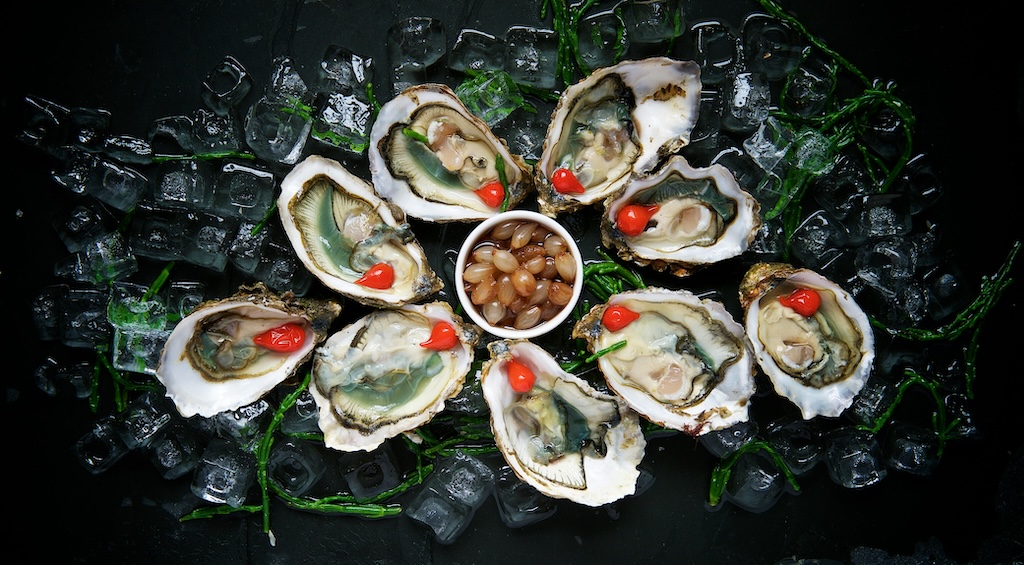
Oysters and the myth of love

No exploration of aphrodisiac cuisine would be complete without oysters. For centuries, they have been associated with sensuality, luxury and the pleasures of the table. Their reputation has become so firmly established that they are often the first food people think of when the subject of aphrodisiacs comes up.
There is, however, one piece of advice I would offer before serving them at a romantic dinner. Leave the opening to someone who knows what they are doing. The last thing you want is for an evening planned around good food to end in A&E.
If you do decide to open oysters yourself, use a proper oyster knife, protect your hand with a thick, folded towel or a cut-resistant glove, and work on a stable surface. Keep the hinge facing you and twist the knife gently to open the shell. Never force the blade towards your palm.
As for their nutritional value, oysters are an excellent source of zinc, which contributes to normal immune function and normal reproductive function. That is a genuine nutritional benefit, although it should not be confused with proof that eating oysters directly increases sexual desire.
As with any seafood, freshness and proper handling are essential. When served with care, oysters offer a distinctive taste of the sea and a little of the romance that has surrounded them for generations.
Science and tradition in aphrodisiac cuisine
Can love, after all, find its way through the stomach? It is a question that has travelled through the centuries, carried along by stories, traditions and ingredients that have earned their place in the cuisine of love.
Science helps us separate myth from nutritional fact. So far, evidence for the direct aphrodisiac effects of most foods remains limited. That does not make them any less fascinating, nor does it take away from the pleasure of discovering a new flavour or exploring the story behind an ingredient.
Every food has its own flavour, nutritional value and history. Its place in aphrodisiac cuisine is part of a tradition that continues to inspire chefs and food lovers alike.
As a chef, I find this side of gastronomy particularly intriguing. It gives us the chance to explore ingredients with different aromas and textures, then bring them together in dishes that appeal to all the senses. The pleasure lies not only in what we cook, but also in the experience we create around the table.
Here’s one final thought from a chef. Cook with your heart, and with the simple desire to make someone you care about happy. Work with the ingredients you have, choose flavours you love and bring together combinations that feel true to you. It might be your partner you want to impress, your father or mother, or a friend you would like to treat to something special. A delicious meal is a lovely way to show someone that you care.
And one little piece of advice from the kitchen. Do not expect an aphrodisiac ingredient to do all the work for you! A dish made with care, thoughtfully chosen ingredients and the pleasure of sharing a meal is already a wonderful place to start.

